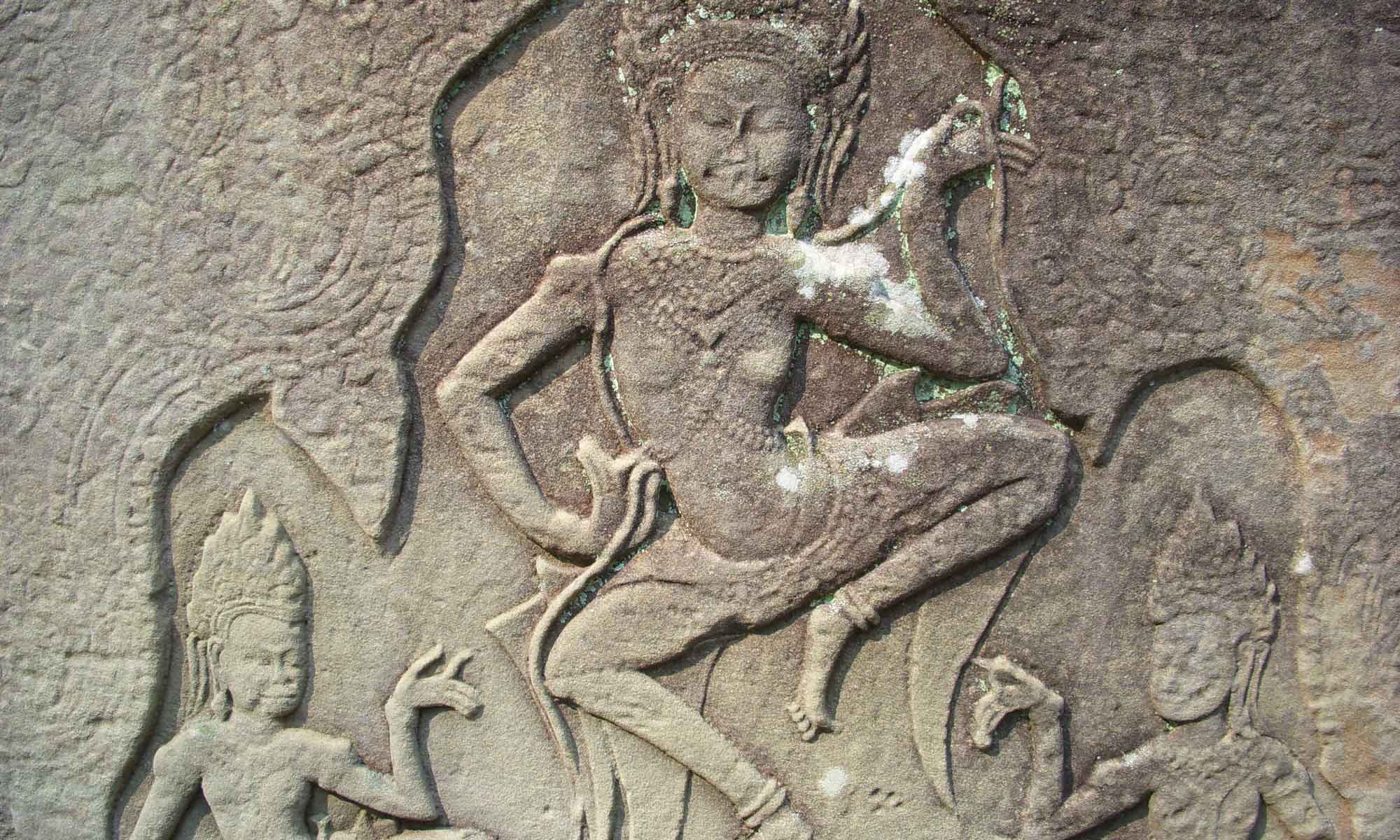

“Zoroastrian Mythologies of Women Angels “
with Feroza Jussawalla
Thursday, June 25, 2026 at 12 NOON Eastern Time
Facebook Live Promo Interview on 6/18/26:

Zoroastrianism, especially as practiced by the Parsis of India, is indeed the first religion to recognize the importance of both of women’s equality. And of not polluting the environment.
Zoroastrianism is perhaps the world’s oldest religion dating back to almost 4,000 BCE. Zoroastrianism flourished in what is now Iran, until the Arab conquerors came in the 6th CE, and converted to and imposed Islam on the Persian peoples. Persian women were independent, warriors, workers and Queens.
Zoroastrianism reveres the waters, the earth, the moon and stars, and has angels assigned to the protection of each as well as angels of every gender delegated with the task of caring for these parts of the universe. Avan, the angel designated to care for the waters, asks us not to pollute waters, oceans, rivers, streams, and wells. Similarly, there is a female Yazata presiding over the earth. They are equal with the male Yazatas, such Tir Yazad who controls the rains and the stars, and those like Behram Ijad, the protective spirit, immortalized as the great warrior in The Rubaiyat of Omar Khhayyam.

From its very beginnings, Zoroastrianism advocated the equality of all genders. When Zoroastrians were compelled to move to India, they also took on the Indian strictures that honored the rivers, such as Mother Ganga and the female goddesses equal in strength and importance, from the Hindu religion. When they fled the Arab persecution and arrived in India they promised to mix with the South Asian Indian peoples like “milk mixes with sugar,” Zoroastrianism, embodies the spirit co-operation, across all faiths, countries and religions, as also the idea of peace: “swords into ploughshares.”

Dr. Feroza Jussawalla is Professor Emerita at the University of New Mexico in Albuquerque. Her recent work in women’s studies includes, Emerging South Asian Women’s Writing, (Peter Lang, 2017), Memory, Voice and Identity: Muslim Women’s Writing from Across the Middle East, (Routledge, 2020), Muslim Women’s Writing from South and South East Asia, (Routledge, 2021). Her collection of poems, Chiffon Saris (2002) was published by Kolkotta, Writer’s Workshop and Toronto South of Asian Review.
~~~~~~~~~~~~~~~~~~~~~~~~~~~~
Upcoming Summer Salons
Scholar Salon 99:
Thursday, July 9, 2026 3:00 PM Eastern Time
“Looking for the Hidden Folk: How Iceland’s Elves Can Save the Earth”
with Nancy Marie Brown
~~~~~~~~~~~~~~
Scholar Salon 100:
Thursday, July 23, 2026 at 12 NOON Eastern Time
“Living Goddess Traditions in Land Salzburg and the Salzkammergut”
with Krista Rodin

This Salon recording will also be available to members when processed after the event.